How a tailored AI system streamlined document handling and accelerated time-to-cash in air cargo operations.
Executive Summary
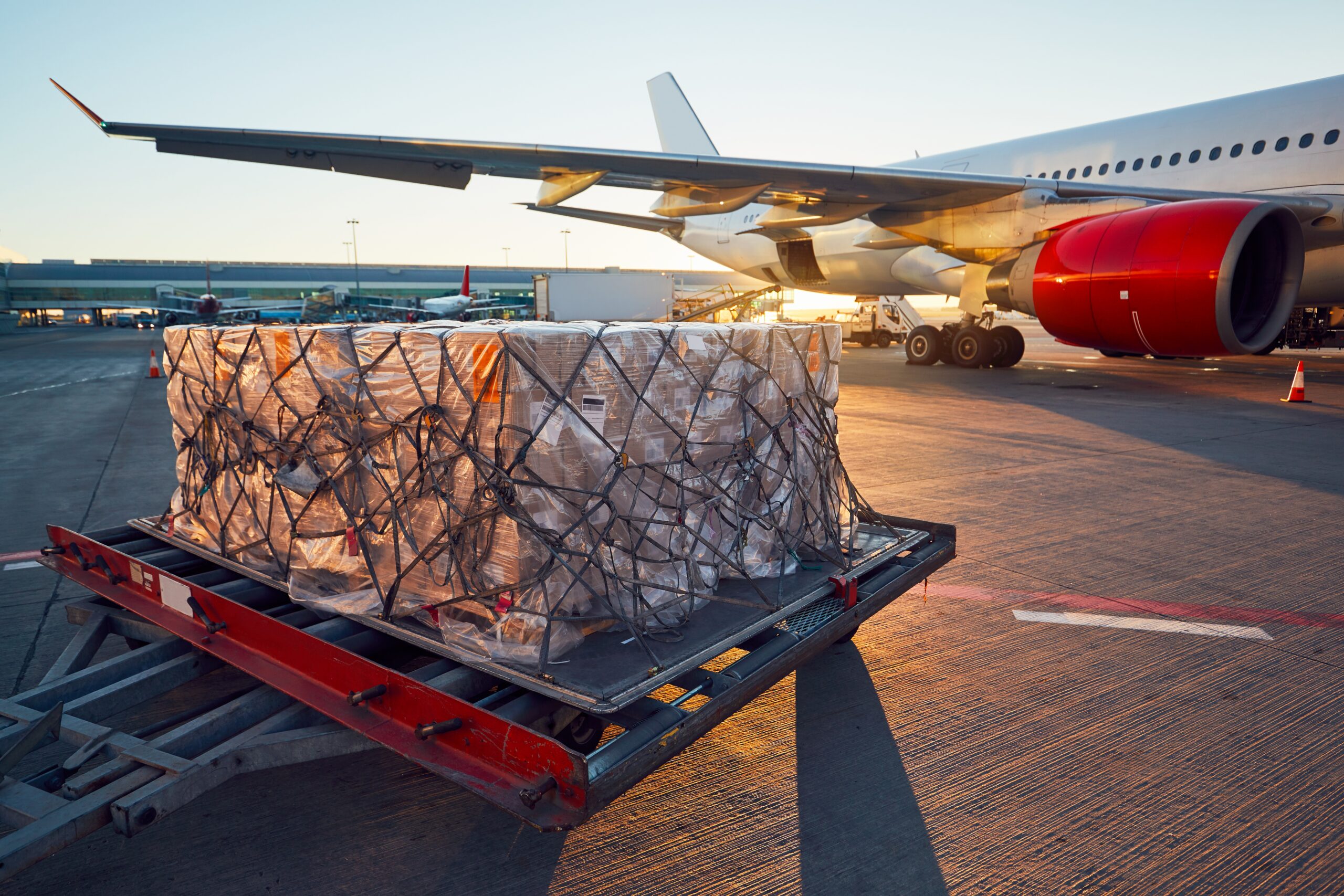
A regulated cargo agent operating in a high-throughput airport environment was constrained by a paper-heavy documentation process that directly impacted operational speed, reliability, and billing cycles. Core workflows around Air Waybills (MAWB / HAWB), authorizations, and Proof of Delivery (POD) relied on manual handling, physical signatures, and fragmented local storage.
Ordinate AI designed and implemented a tailor-made digital system combining Document Management, digital Proof of Delivery, and AI-assisted document processing, embedded into the agent’s daily operations.
The result was a measurable reduction in manual work, instant access to signed documentation, improved process control, and a scalable foundation for end-to-end cargo digitization – without disrupting existing systems or regulatory responsibilities.
The Challenge: Operational Bottlenecks Hidden in Paperwork
In air cargo operations, documentation is not an administrative afterthought – it is a regulated, time-critical dependency for cargo release and billing.
The existing process exposed several structural issues:
- High manual workload
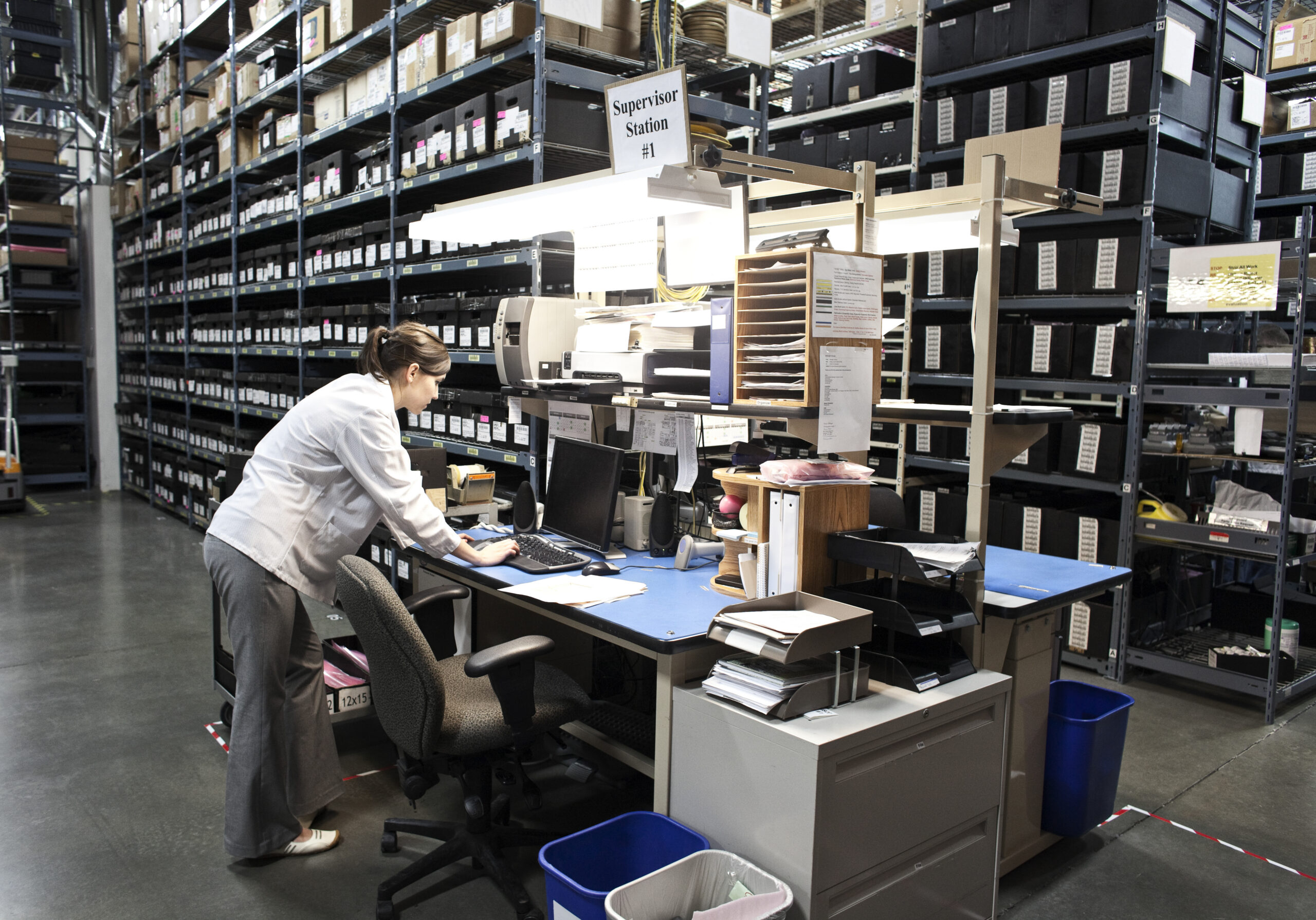
Printing, copying, stamping, signing, scanning, and manually archiving MAWB, HAWB, authorizations, and damage reports. - Fragmented and insecure document storage
Documents stored across local folders and shared drives, without standardized structure, backup, or audit trail. - Slow access to Proof of Delivery (POD)
Locating signed documents depended on manual searching and local knowledge, delaying responses to client requests. - Delayed invoicing and time-to-cash
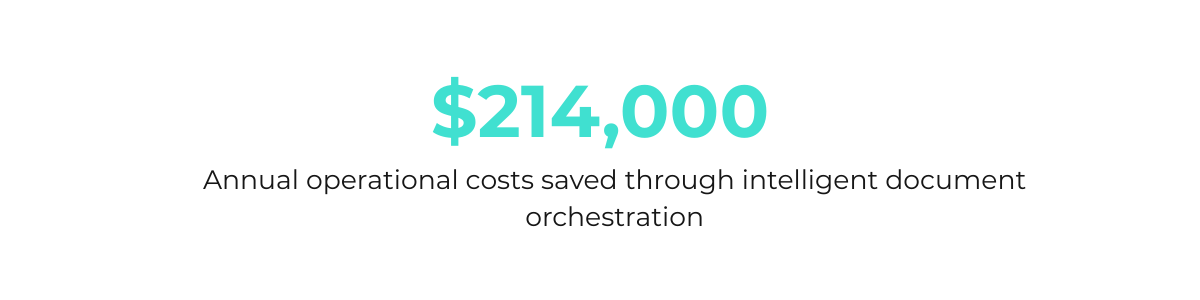
Billing could not proceed until documentation was manually processed, signed, scanned, and archived. - Limited scalability
Increased shipment volume directly translated into higher operational strain or the need for additional staff.
This was not a tooling problem-it was a process and system problem.
The Approach: Start Where the Operational Friction Is Highest
Rather than attempting full system replacement or complex integrations upfront, Ordinate AI focused on a single, high-impact segment of the workflow: document processing, Proof of Delivery, and secure storage.
The objective was clear:
- eliminate unnecessary manual steps
- digitize the process at the source
- and prove value quickly without increasing operational risk.
This approach allowed the existing team to absorb higher workload without additional hiring, while laying the groundwork for future automation.
The Solution: A Tailor-Made Digital Cargo Documentation System
Ordinate AI engineered a custom, production-grade system designed around real cargo-handling workflows and regulatory constraints.
The solution combines several tightly integrated components:
Digital Document Management System (DMS)
- Centralized digital storage for MAWB, HAWB, authorizations, damage reports, and supporting documents
- Standardized document structure based on shipment identifiers
- Secure storage with backup and controlled access
Digital Proof of Delivery (POD)
- Digital signing of cargo documentation directly at pickup
- One signature applied across all relevant documents per shipment
- Real-time visibility into POD status per shipment
Intelligent Document Processing
- Automatic classification and routing of uploaded or scanned documents
- AI-assisted recognition of document type and shipment reference
- Elimination of manual folder sorting and naming
AI-Powered Document Access
- Advanced search across signed POD documents
- Query-based access (e.g. by date, shipment, or status)
- Optimized for fast retrieval during client or audit requests
The system was designed to operate independently, without forcing immediate integration with existing ERP or airline systems—ensuring fast adoption and operational stability.
The Impact: Measurable Efficiency and Process Control
The pilot implementation delivered immediate, tangible benefits.
Key Outcomes
- Significant reduction in manual work
Elimination of printing, copying, stamping, and post-processing scanning. - Instant access to Proof of Delivery
Signed documents available immediately in digital form. - Faster documentation turnaround
Cargo documentation processed and confirmed without physical bottlenecks. - Improved time-to-cash
Faster access to complete documentation enabled quicker invoicing. - Operational scalability without new hires
Existing staff could handle higher shipment volumes with the same effort.
“We removed entire steps from the process instead of just digitizing paperwork. That changed how the operation feels day-to-day.”
Operations Lead
Why This Matters Beyond a Single Process
This was not just a digitization exercise.
By embedding operational logic into a tailor-made system, the cargo agent gained:
- standardized, auditable processes,
- higher service reliability,
- and a scalable digital foundation aligned with regulatory responsibilities.
What started as a focused pilot became the core building block for full end-to-end cargo process digitization.
From Internal System to Strategic Asset
Every system Ordinate AI builds is designed with long-term value in mind.
In this case, the solution:
- remains fully owned and controlled by the organization,
- avoids dependency on generic vendor tools,
- and can evolve into a broader digital cargo platform.
This positions the organization not just as an operator—but as a potential provider of modern, digitized cargo services.